


Successful initiatives are the organization’s backbone. The worth of an organization is determined by the number of successful initiatives it has completed. Projects are a portfolio of enterprises that may be converted to cash at any time by enlisting the help of other investors. On the other hand, initiatives are a hazard that contains various risks and failures since most projects are inventive or novel, which implies they have never been done before. Many occurrences occur during projects, such as building site accidents or, in the case of technology projects, software security crashes or hacker attacks at the initial project stage, resulting in the project team’s worst image. Project managers examine every project area and assess the risk factor to reduce failures.
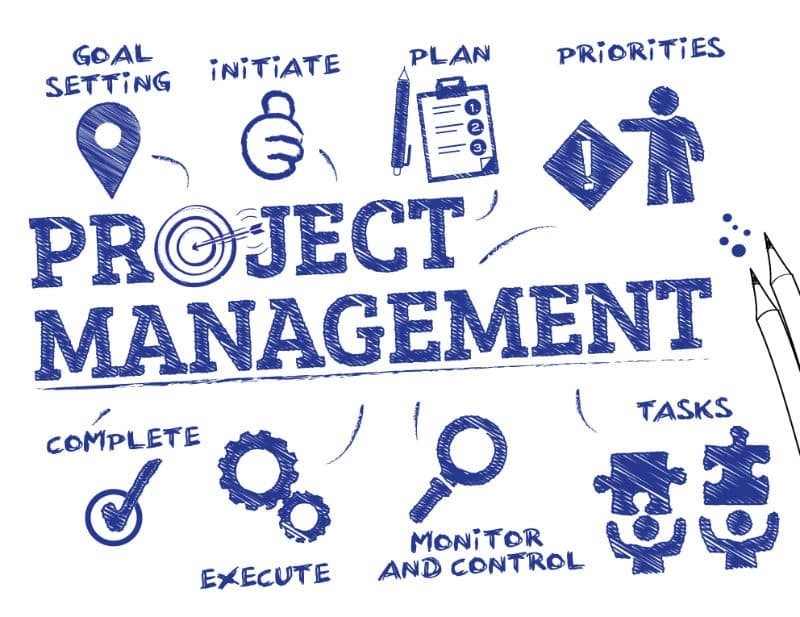
Project management is a reaction to this uncertainty. It’s a method of controlling the unknown. Consider the most critical skills we use as project managers: defining scope, analyzing requirements, planning and estimating work, adding contingencies, managing risks, tracking changes, and ensuring quality. These strategies are intended to reduce uncertainty and plan for what could go wrong. We may jeopardize the project’s success if we do not take the time to utilize these project management techniques. This article will discuss the worst scenario that happens with different successful projects. After they were utterly functioning, these projects benefited the public in extraordinary ways. But don’t forget that they began off as failures.

Project 1: Heathrow Terminal 5
Heathrow Terminal 5 was designed to accommodate 35 million passengers per year. It was made up of 16 separate projects and involved around 60 contractors. Only 85 percent of project deliverables had been accomplished at the launch in March 2008. Because building work was behind schedule, IT testing and employee training were also pushed back. Despite the setbacks, it was decided to keep the original opening date without delay. Because of the delay, there was less time for hands-on training, dress rehearsals, and troubleshooting any issues during testing.
Staff reported difficulty parking, getting around the terminal, and working the equipment on the first day. Worst of all was the malfunctioning luggage handling system. As the airport battled to clear the luggage backlog, 15,000 bags were lost, and 35 flights were canceled on the first day. Passengers were warned at 5 p.m. that if they still wanted to fly, they would have to do so without their bags. Five hundred flights were canceled in the first week, 23,000 luggage was missing, and hundreds of people were stranded.
The importance of getting a project operationally ready should never be underestimated or compromised. Testing, training, dry runs, and handovers are required tasks on most projects. Even though this is a successful initiative, we should learn from this setback.

Project 2: The Millennium Bridge
The Millennium Bridge in London was the first pedestrian bridge across the Thames in 100 years. It was designed utilizing lateral suspension, an engineering breakthrough that allows suspension bridges to be erected without massive supporting columns. However, it was forced to close two days after its official opening due to safety concerns. It was swaying or wobbling so much that individuals had to grab onto the handrails to keep safe. The bridge was damaged by a phenomenon known as synchronous lateral excitation, which was generated by the hundreds of people who traversed the bridge on its opening day on foot. Although lateral excitation was a well-known phenomenon, the engineers failed to recognize that even when individuals walk randomly, a significant proportion is guaranteed to match steps and create lateral motion in the bridge.
Engineers worked for 19 months to reinforce the structure using 91 dampers meant to prevent movement. It cost an extra £5 million to reopen the bridge in 2002. Although the Millennium Bridge is stunning design work, it is essential to remember adequate risk management. Some hazards are infrequent, yet the consequences would be terrible if they occurred.
Summary
This article is intended to be educational. We should learn from the project failures listed above and never overlook a single issue when developing or implementing a project. As individuals, we must complete our tasks efficiently and without sloppiness. We also need strong leadership to build a cohesive team of designers, engineers, clients, and stakeholders that operate with trust and honesty and do what is best for the project. Fortunately, project management has matured since the 1960s and 1970s and is now a recognized technique. However, we must continue to remind ourselves of past failures, so they are not repeated.