

As you may be aware, everything is moving to a digital platform, from purchasing to selling. Markets are available for purchase digitally. When someone starts a business, they will now invest a more significant percentage of their capital in adopting a digital platform and introducing their items on it by using e-commerce websites and creating their platform. In a nutshell, digital platform use is skyrocketing. This post will look at several digital adoption models, challenges, and recommendations.
Taking on board and making routine use of things or behaviors that may be new or replace existing products or practices is what adoption is. The Adoption Model, which aims to clarify the intermediary steps an adopter might go through, from first being aware to becoming a habitual user, is a fundamental notion to assist us in leading adoption. The adoption Model has a variety of characteristics, some of which are listed below:
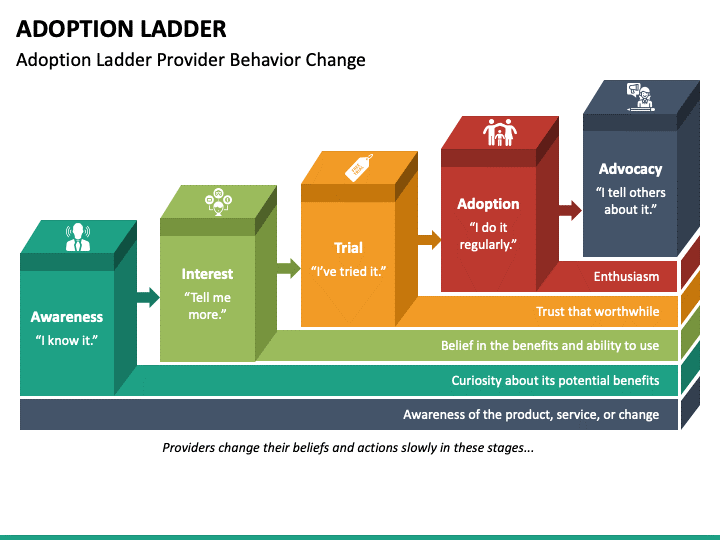
They function as ladders from lower to higher levels of acceptance. The goal is often to go up the ladder. However, traveling down and jumping off entirely is also possible. Giving up smoking or limiting alcohol use is a fantastic example of a planned reverse adoption paradigm. Numbers usually decrease as you progress up the ladder, and this decrease is based on conversion ratios from one level to the next. Each rung of the ladder may have unique characteristics, such as the number of things purchased or the amount of chocolate ingested.
Adoption Models
The most prevalent models include customer loyalty, sales pipeline, and change adoption models. Customer loyalty model in which the primary focus is on customer kinds and gaining customer loyalty to your offerings. Regular Customers, who are higher than Occasional Customers, have greater average consumption, satisfaction, and loyalty than Loyal Customers. Non-category (not using the product) and Category (utilizing a competitor’s product) target customers can also be separated. The fundamental goal of the sales pipeline model is to increase sales by changing prospectuses, providing new prospects, or having more interactions. In a subscription revenue model, this model may be expanded by having Prospects be either fresh prospects, recycled prospects, or Customers coming up for renewal. Change adopters, change advocates, change experimenters, and change aware are some of the primary criteria in the change adoption paradigm.

Challenges of Digital Adoption at Scale
Adoption generally has to expand beyond consumer trials and focus groups to the broader populations these pilot groups represent to have a genuine influence. We will face several additional hurdles as we go from a small group trial to large-scale adoption, including:
Engaging with those we know a little about. Face-to-face and one-on-one conversations are impracticable. The reliance on one-to-many and virtual interactions. The advantages and disadvantages of utilizing social media (external and in-company). The role of significant community leaders in assisting or impeding adoption.
We also need to grasp several critical elements to be influential in large-scale community adoption:
The distinction between a mob and a community. Super-connectors’ involvement in broad adoption. You’ll need several different sorts of activities in your adoption campaign. The dangers of widespread adoption of email and social media. Individual and mass persuasion best practices—tips on handling large-scale community adoptions successfully.
Summary
Today, digital adoption is critical. Nobody can run a progressive company without knowing how to employ a digital adoption approach. Most firms fail in their early phases due to a lack of understanding of digital models, such as spending too much money on Facebook advertisements and creating incorrect campaigns by targeting the wrong demographic. It’s better to learn first and then apply what you’ve learned to your firm, or employ an expert level individual to handle operations and set up a digital adoption strategy. Physical stores and shops are not as beneficial as having a digital platform since you can target your audience with just one click and display your items to as many people as you want.