


Most firms recruit people based on departmental needs, such as needing someone to oversee the company’s daily operations. Companies recruit at least one individual based on the project’s specific requirements. One corporation, for example, advertised for an operations manager whose job responsibilities include managing all operations activities throughout the organization, including several projects. This type of individual carries far too much guilt, and the organization will eventually suffer. If you hire a person based on a specific project manager, on the other hand, the organization will achieve more significant outcomes in that project due to a clear emphasis. Despite the proliferation of the internet, shorter product life cycles, and exponential breakthroughs in AI and robotics, productivity growth in Western economies has been almost flat for most of the present century. On the other hand, most fast-growing businesses are aware of this factor and are now focusing on project-related hires. The economy is expected to grow in the future decades in the short term.
The Project Management Institute predicted in 2017 that the global value of project-oriented economic activity would rise from $12 trillion in 2017 to $20 trillion in 2027, employing 88 million people in project management–related jobs—and that was before countries began spending trillions on pandemic-recovery projects. Some businesses have already started to make this transition. Mohamed Alabbar, the founder and chairman of Emaar, a Dubai-based property developer, announced that the company had eliminated all traditional job titles, including his own, as part of a shift to project-based work and that employees would now be defined by the projects on which they worked rather than the departments to which they belonged.
I’ll explain the abilities you’ll need to operate successful projects in this piece, and projects can succeed if project leaders possess vital attributes. Projects are only as successful as the individuals in charge of them. So, what qualities do leaders need to succeed in a project-driven world?
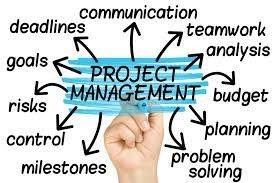
Skills in project management
Project managers must be able to discover the rationale and business case for a project using tools and procedures. They must be skilled at determining scope in collaboration with contributors and partners. They must be able to recognize and manage risk appropriately. They are in charge of developing reporting tools to monitor project execution and quality once it has begun. When delays or changes to the plan are expected, they must be able to predict the consequences and devise feasible alternatives.
Product development expertise
Project managers must gain a working knowledge of the technology, features, product, service, or capabilities that the project wants to deliver. This would benefit them greatly by establishing their credibility among the team and stakeholders. It will allow them to speak in the experts’ and product teams’ language. It will ensure that they are aware of the project and that the project’s objectives are met. It will also assist them in understanding how the project fits into the organization’s overall strategy.

Business sense
Executive sponsors are usually well-versed in their company’s operations, strategy, and main competitors. They’re also typically well-versed in financial matters and the context in which their ideas will be conducted. These abilities are frequently required of project managers. Connecting the project’s benefits and purpose to specific business initiatives is critical for gaining buy-in and meeting objectives. Even in the early stages of a project, a strong focus on the advantages and impact is essential.
Skills in leadership management.
Today’s project managers require strong leadership and change management skills. They must build high-performing teams, provide direction, manage and convince across diverse cultures, build organizational bridges, communicate clearly and effectively, evaluate, develop, coach employees, and handle conflict in a way that is acceptable to all parties.
Summary
Project managers will be significant assets for their firms in the future decades. To be a good project leader, you’ll need a variety of soft talents and other commercial skills.
Managers and businesses want to develop the skills to adapt and prosper in the new project economy. They’ll have to become used to designing plans motivated by change rather than efficiency. In that situation, they have to give projects and project teams more resources, finances, and decision-making power at the price of the traditional departmental structure. They’ll need a simple framework, like the project canvas, to allow everyone in their companies to participate. They’ll need to improve their project management skills and learn new technology.