

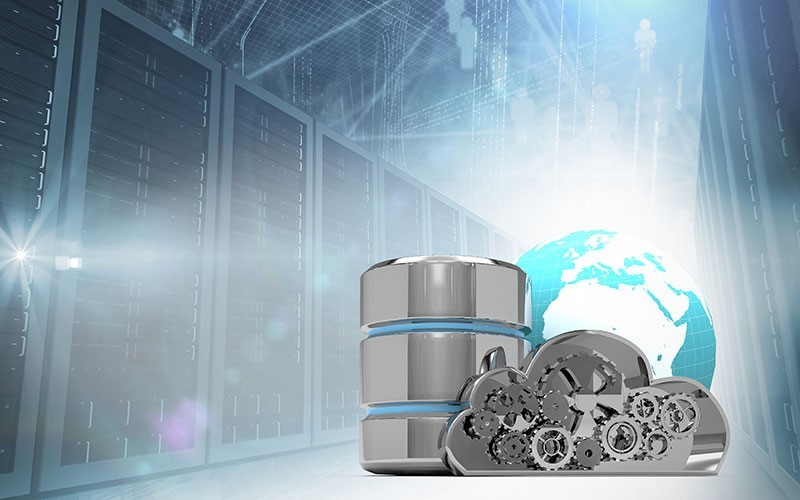
The handling of data is a critical issue in business. When a consumer uses your service and generates data, you must store or move that data as soon as possible. We are generally aware of data centers and cloud service providers. I’d want to clear up a common misconception: there is a similarity between cloud computing and data centers. It is an incorrect strategy or statement. Cloud and datacenters may collaborate to improve several aspects of data management and migration. They will also give their clients the quickest and most secure services. The cloud and data centers are critical components of the digital infrastructure. More than that, theirs is a symbiotic connection. Datacenter technological advancements (think high-speed Internet, efficient electricity, and more) increase the efficacy of the cloud and vice versa. This combination can generate endless future product creation and service optimization for clients’ consumers.
Working with a qualified data center partner and implementing a robust Hybrid IT strategy, allowing some of those systems to continue to run while being economically viable, can make all the world. By allowing you to adopt solutions at your speed, hybrid IT may be your entry point into new and developing technologies. And there are tremendous advantages to doing so. They will empower the following variables by working together:

Interconnectivity
The globe is in the midst of a data and computing frenzy. If a company works in any way digitally, dispersing workloads across infrastructures becomes a top issue. Moving those ever-increasing workloads from one part of the world to another, on the other hand, is becoming an increasingly challenging task. However, because the speed of light is a speed limit, data can only travel so fast. One strategy is to shorten the distance between functions and data.
To reduce the time it takes for your services to reach end customers, you should position your workloads close to your end consumers. Colocation data centers will most likely be located in lucrative markets and have direct access to high-speed fiber. Cloud companies make considerable use of colocation data centers. So, if you’re a data center client, your supplier can provide a direct, private, high-speed link to the cloud that completely bypasses the public Internet. Your cloud-based workloads need to go to the next hall or cage, not the next city or state.
Agility
Customers can benefit from the collaboration of cloud providers and data centers. As we’ve seen, data centers bring clients closer to the cloud via direct connections and on-ramps. For example, customers’ cloud-based applications may run considerably more efficiently, consistently, and cost-effectively with the data center’s support and services. When cloud apps work well, it is simpler to commit more time and resources to other mission-critical tasks, such as innovation. It’s not impossible to experiment on the cloud; it’s simply that data centers are better suited to the dynamic workloads required for trial-and-error and development. Colocation data centers are perfect sandboxes for new ideas because of their flexibility, modularity, and degree of support.

Ease of Access
The cloud is an appropriate, cost-effective alternative for applications and workloads that do not require extensive mobility. However, if your applications require a high level of fluidity and flexibility, ingress and egress costs might quickly offset any cost savings achieved in the cloud. Furthermore, the hardware hosting your data might be located within a specific cloud provider’s entire footprint. Most likely, you have no idea where your data and workloads are, let alone how to access them. Data centers can also enable quick access to more static cloud assets.
Summary
You read anything above nothing that states that you exclusively utilize the cloud or data centers. It is up to you to decide how you will build both using your infrastructure. Cloud and colocation can and will magnify each other’s capabilities when collaborating flawlessly. If your cloud apps are primarily hands-off, you’ll have greater flexibility to utilize the data centers’ flexibility, allowing you to build better goods and experiences for your consumers. That leaves cloud and data center providers with just one option: collaborate to create better solutions that empower our clients with solutions and services that fuel creativity today and in the future.