
Everything, as we all know, is changing daily. New technologies are altering our way of life as well as the workplace. Technology growth is a practical step toward a better society, but improvements on the wrong side of the community are also expanding. Security is critical for organizations and individuals alike, and we always choose cutting-edge technology to protect our data, yet cyberattacks are rising daily. Hackers also utilize new technology to breach new software and disclose valuable corporate data. Ransomware is the most popular type of hacking activity. Ransomware is malicious software that encrypts files on victims’ computers and makes them unavailable until a ransom is paid.
What is BlackCat Ransomware?
BlackCat (also known as ALPHV) is a ransomware family that first appeared in mid-November 2021 and swiftly rose to prominence due to its cunning and inventiveness. BlackCat, a ransomware-as-a-service (RaaS) business model, was seen courting affiliates on well-known cybercrime forums, proposing letting fellows leverage the ransomware while keeping 80-90 percent of the ransom payment. The remaining would be paid to the creator of BlackCat. Rust is the programming language used to create the virus. Malware developers may build their code against numerous operating system architectures by exploiting this programming language. Rust is exceptionally configurable due to its various native choices, which helps to pivot and individualize assaults. Notably, they employ several extortion strategies in some cases, including siphoning victim data before ransomware distribution, threatening to leak data if the ransom is not paid, and distributed denial-of-service (DDoS) operations. As of December
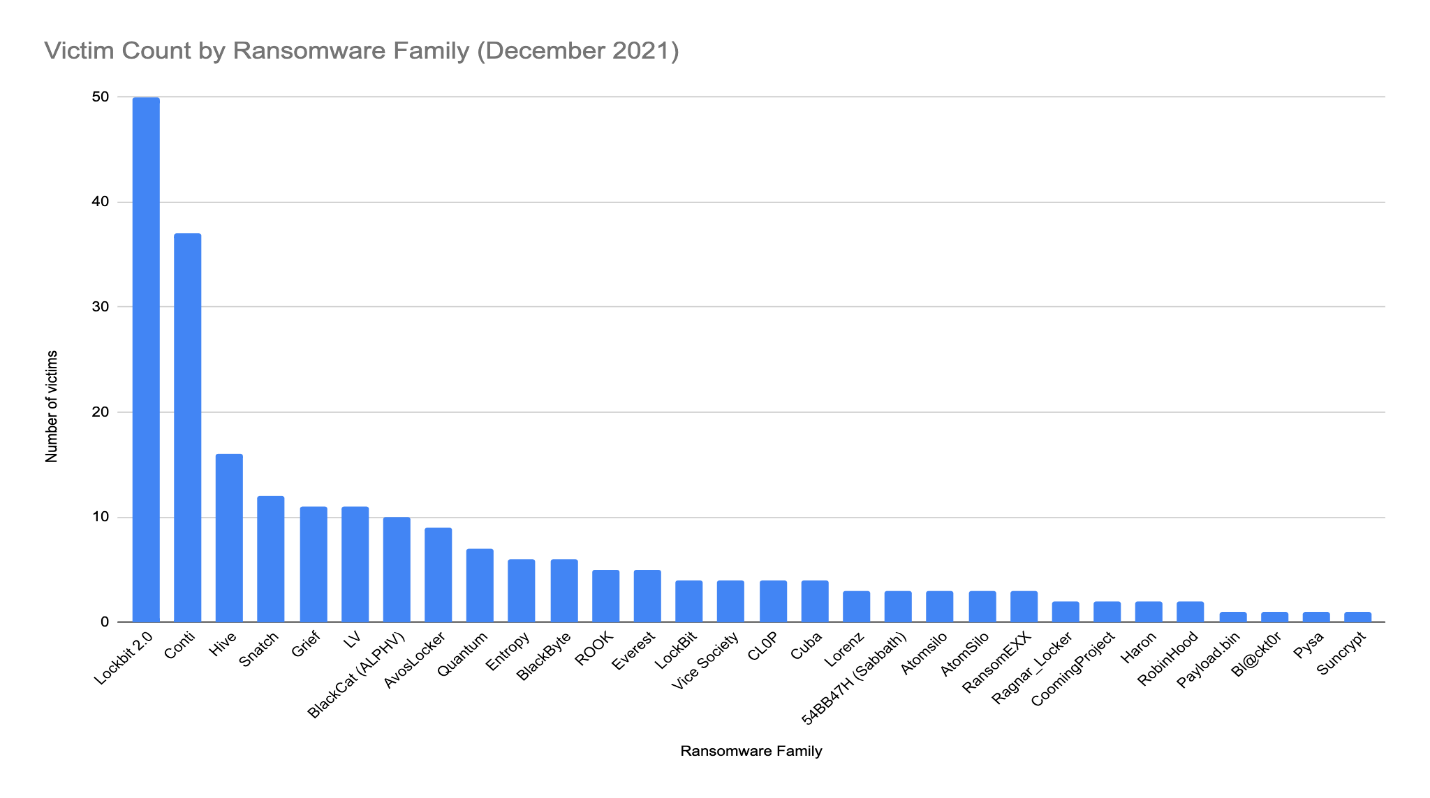
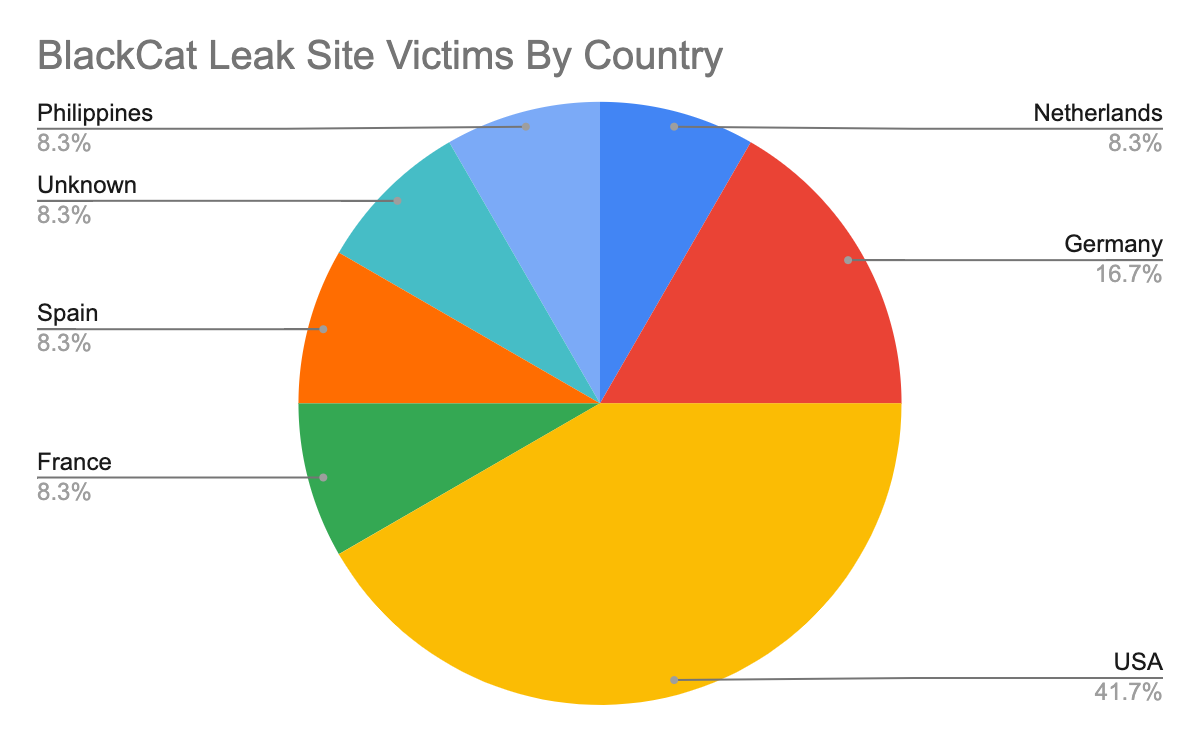
Construction and engineering, retail, transportation, commercial services, insurance, machinery, professional services, telecommunication, auto components, and medicines are among the industries affected by BlackCat. The below figure depicts the victims by nation.
Because of the multiple alternatives accessible when writing in Rust, BlackCat is well-positioned to shift to personalized, tailored assaults. Rust programming has grown in popularity due to its outstanding performance and speed, strong web application creation, reduced overhead for embedded programming, and memory management resolution. Rust also helps the BlackCat creator because algorithms fuel the ransomware’s encryption capacity. BlackCat has been spotted attacking both Windows and Linux computers because of its effectiveness and versatility.
Throughout its assaults, BlackCat has been detected employing a variety of – frequently legitimate – programs, including Mimikatz, LaZagne, and WebBrowserPassView to recover saved passwords and GO Simple Tunnel (GOST) and MEGAsync to exfiltrate data.
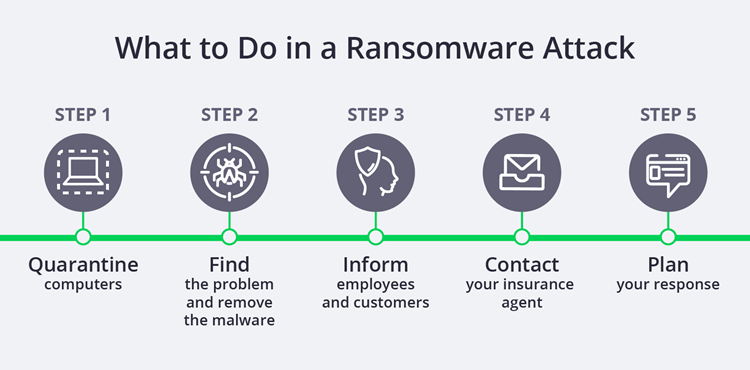
How can we protect our firm from these attacks?
The same advice applies to other ransomware. Make safe offsite backups a habit and operate up-to-date security solutions and ensure that your machines are secured with the most recent security updates against vulnerabilities. To safeguard critical data and accounts, always use hard-to-crack unique passwords and enable multi-factor authentication. Whenever feasible, encrypt necessary data, and hold weekly sessions to educate and enlighten employees on the risks and tactics used by hackers to launch attacks and steal data.
Conclusion
BlackCat is a cutting-edge ransomware family that quickly gains a reputation for highly personalized attacks. The malware developers can build it against numerous operating system architectures by utilizing the Rust programming language, enhancing the group’s capacity to pivot from one victim to the next. In the field of cybersecurity, we are living in unprecedented times. Most senior management who must make judgments after a ransom strike say they never dreamed about debating whether and how much ransom to pay to hackers holding the healthy captive. Your firm will lower risk and be better prepared to cope with the unimaginable if it practices good cybersecurity hygiene and has a strategy.