


Due to pandemics, multiple enormous changes have occurred globally or in our lives over the last two years. People prefer to purchase groceries online, and they are more technologically savvy. Because the role of a digital platform has shifted, every startup or business now focuses more on their digital applications and website. Every organization needs experienced marketing teams and expert IT workers. Internet transactions, fintech applications, and online services apps that capture your company data have almost completely replaced physical transactions, cash, and physical register data. IT services are becoming increasingly valuable; teams are always working hard to understand and deploy new IT solutions in their company. IT teams are searching for answers to assist them in managing their infrastructure during the transformation and providing cloud service experiences to users.
According to IDC data, 55% of enterprises utilize a hybrid cloud (a combination of on-premises and public cloud) as a framework for deploying applications where it makes the most sense. Another 29% said they did not have a hybrid cloud but wanted to build one within a year. By 2025, 70 percent of firms will have modernized their applications based on drivers such as data security, organizational flexibility, agility, and productivity improvements rather than goals such as IT cost reductions.
This post will look at some recent developments in Cisco’s IT products. Cisco is responding to the rise of hybrid cloud networks by offering IT a much-needed operational solution for configuring and managing multisite and multi-cloud installations from a single point of view. This solution lets IT obtain greater network insight for troubleshooting and compliance, improve SAN performance, adapt to new cloud environments and operational models, and take advantage of higher performance 400G switching systems.
Cisco Nexus Dashboard
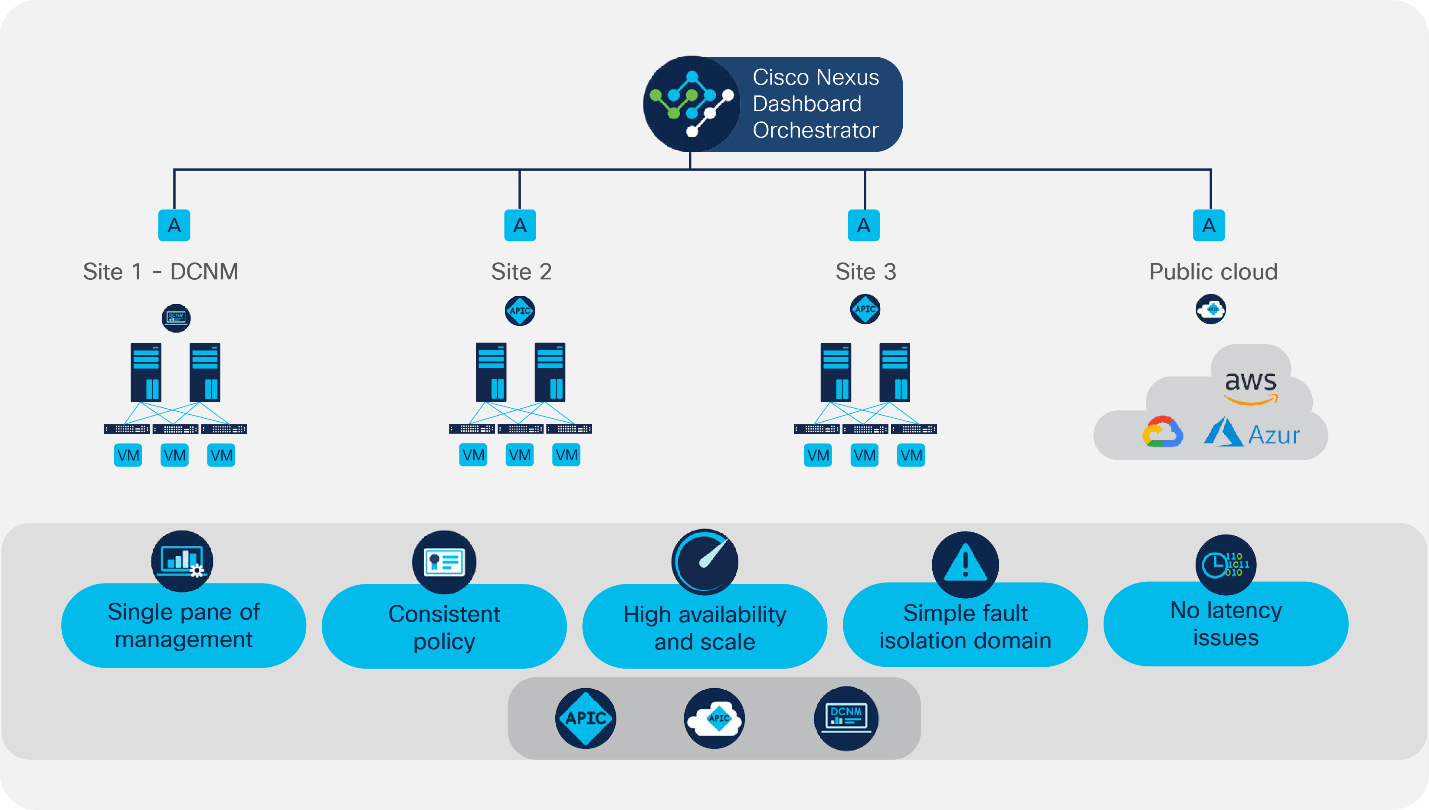
Cisco Nexus Dashboard is the hybrid cloud network management solution that IT has been yearning for. Distributed teams can manage on-premises, virtual edge, and cloud locations with a single view of network infrastructure and operations. Cisco Nexus Dashboard unifies several operational perspectives for different user personas and delivers real-time analytics and automation services to run complex hybrid cloud network infrastructures.
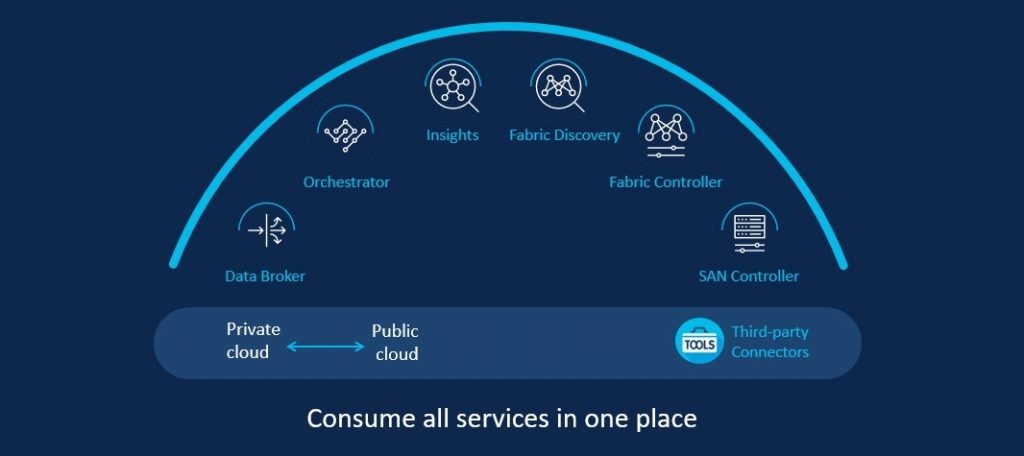
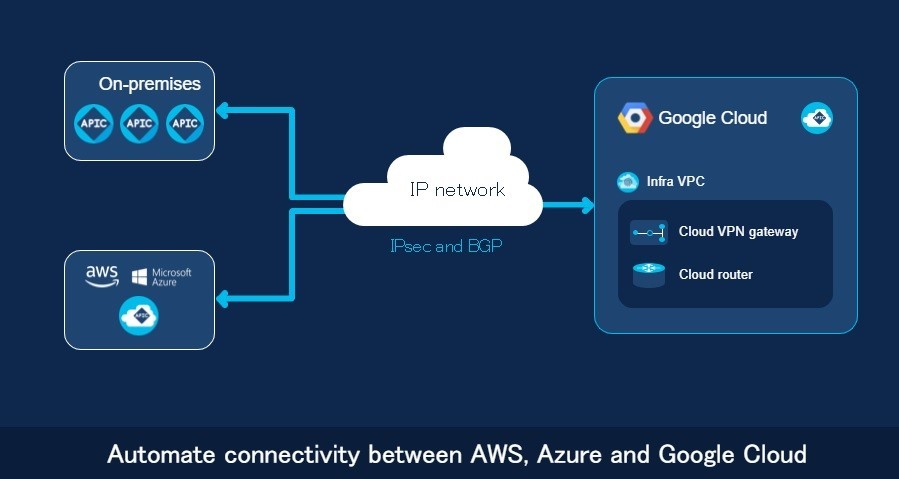
In addition to the current features for AWS and Azure cloud sites, the Cisco Nexus Dashboard now supports Google Cloud Platform sites. The latest release improves security by including support for Multi-Factor Authentication using Okta as the MFA provider and Cisco Duo as the MFA client. Both aspects of the Cisco Nexus Dashboard are part of the Insights capability. Pre-upgrade inspections assist operators in assessing the risk of an upgrade before proceeding and providing information on how to carry out a successful update.
Another Cisco Nexus Dashboard function is Data Broker, allowing operators to produce customized data feeds for various analytics tools without overburdening the production network. The Cisco Nexus Dashboard Orchestrator feature makes integrating disparate Cisco Nexus data center and cloud fabrics easier. It also serves as a single point of contact for consistent policy administration to facilitate granular segmentation. The most recent Cisco Nexus Dashboard version includes Google Cloud Platform sites support. The Cisco MDS 9700 64G Fibre Channel Switching Module, which was announced recently, provides reliable 64-Gbps 48-port Fibre Channel switching for Non-Volatile Memory Express (NVMe) across fiber channel and flash memory storage.
Meet Cisco’s Dynamic Ingress Rate Limiting (DIRL) SAN Congestion technology. This software function detects and prevents SAN congestion. DIRL is included as a standard feature on new MDS 9000 Series directors and switches, and it is available as a software update for existing MDS 9000 deployments. Operators may use Nexus Dashboard’s new SAN Controller functionality to control their SAN fabrics. The Cisco Nexus 3550-T offers the industry’s lowest latency routing. They converted the widely deployed NX-OS to this platform to provide network operators with a consistent experience across all Nexus systems.
Summary
The IT industry is rapidly developing. IT service providers work around the clock to supply their clients with new tools that use cutting-edge technology and have a user-friendly interface. IT services inventors have been hard at work. Their objective is to continue providing the most significant hybrid cloud networking experience to their corporate customers. They want to create such tools or interfaces that, after using those tools, their customers feel like to addict to that interface, and they love to use IT tools.