


Everyone wants to progress in their profession, gain a higher position in their field, and learn new cutting-edge technology. Nonetheless, the majority of them face a significant roadblock in the form of a lack of confidence. We may argue they lack self-confidence or don’t trust in their ability. This lack of confidence will produce the worst conditions for their juniors or coworkers because they will try to pressure their subordinates, or their conduct will always be poisonous if they ignore the situation. Self-confidence is one of the most common factors for professional failure. I’m not referring to the appearance of confidence that people project to others. I’m referring to a firm conviction in one’s ability, which many individuals lack.
Lack of self-confidence can manifest itself in a variety of ways. Others might be defensive, aggressive, or arrogant, while others are cautious and introverted. We may behave in ways that worsen the problem if we don’t recognize that an employee or team member lacks confidence. You’ve undoubtedly worked with someone who hid their fears under arrogance. The boss became irritated, confronted the employee, and elicited another defensive response.
Employees in most environments practice criticism or make life difficult for self-assured persons. They attempt to bully them and make them feel uncomfortable while at work. Some supervisors may use the opportunity to promote themselves at the employee’s expense. That’s a real bummer. People lacking in confidence are easy targets, and overbearing bosses are often unaware of the harm they are causing.
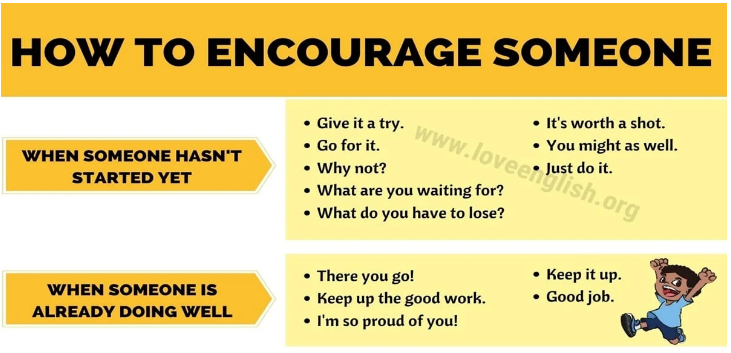
If you find someone in your group who lacks confidence, I recommend doing the things listed below to support them rather than bully them.
Encourage them. Make sure folks know you’ve got their backs. It will provide them with the freedom and assurance to contribute without fear of being judged. You may do this by taking the time to learn about their condition and demonstrating empathy. When you give them advice and let them make errors, you relieve a lot of the strain they place on themselves.
Build them up gradually. People who lack confidence tend to recall moments in their career and personal lives when they failed at something. Their negative expectations become self-fulfilling prophecies, and they die due to their expectations. You might start to reverse the tide by giving them little jobs that they can perform successfully. You gradually build them up and allow them to experience what it’s like to achieve.
Provide instruction. If the team member is new to the position, they may feel more uneasy since they do not believe they possess the necessary abilities. Because there is a strong correlation between competence and confidence, providing them with the appropriate training will assist them in their progress. After the session, ask them to share what they’ve learned and assist them in applying it. It’s critical to integrate the learning on the job right soon. Otherwise, they’ll regard it as yet another point of failure.
If you lack confidence and are constantly hesitant to form bonds with your staff, now is the time to take action. Try to complete the exercises listed below; ideally, they will assist you in developing confidence.

Make a list of your skills and accomplishments. Take some time to reflect on your achievements and all of your skills. You could believe you’re not very good at something at first, but think again. What is it that you have a natural aptitude for? What have you accomplished in your life that you are proud of? Make a list of everything that comes to mind. Find a minimum of ten things! Maybe you’re a fantastic listener. Perhaps you’re a patient person. Maybe you’re a thinker or a thinker’s thinker. Take each attribute and truly feel it once you’ve written them down. Yes, feel it rather than think about it. Take this skill to heart and acknowledge that it was given to you as a gift.

Reduce the voice of your inner critic. Become aware of the negative thoughts in your head and begin to question them. Thoughts are only valid if you want to believe them. So please don’t listen to them. If you think you aren’t as successful as others, aren’t as quick to judge, or aren’t as creative as your peers, dispute it. What would happen if you ignored that thought? What if you replaced that with positive thinking like, “I’m learning and growing better every day?” If your mental chatter persists, practice mindfulness meditation daily. This exercise will educate you to be aware of your thoughts and let them go without condemnation.
Be your own biggest supporter and greatest friend. Try becoming a fly on the wall for a day and observing yourself and your actions from the outside. Is it possible that you’re treating yourself in a way that you wouldn’t treat a friend? Why is that? What would you say to your closest friend if you talked to them, and how would you encourage them? What would it take for you to treat yourself with the same respect you treat others? Say these phrases to yourself when excessively critical: This is a challenging moment. Difficulties are an inevitable aspect of life for everyone. Many individuals are presumably in the same boat. I will answer in a kind manner. I’m going to be kind to myself.

Summary
Finally, I’d want to propose or advise one thing: everyone in your immediate vicinity is coping with their difficulties, with impairments or a lack of confidence. Don’t bully them or make them feel uncomfortable when talking to them. Always be there for them, reassuring them that your struggle is regular and that you will be free of all your problems one day. Everyone needs assistance; no one is flawless; therefore, if you help someone today, you may require assistance the next day. Rather than browbeating, try to become a helping person.